What to do in the first five minutes of a plumbing emergency
What you do in the first few minutes matters more than how fast help arrives.
September 8, 2026 · 4 min read
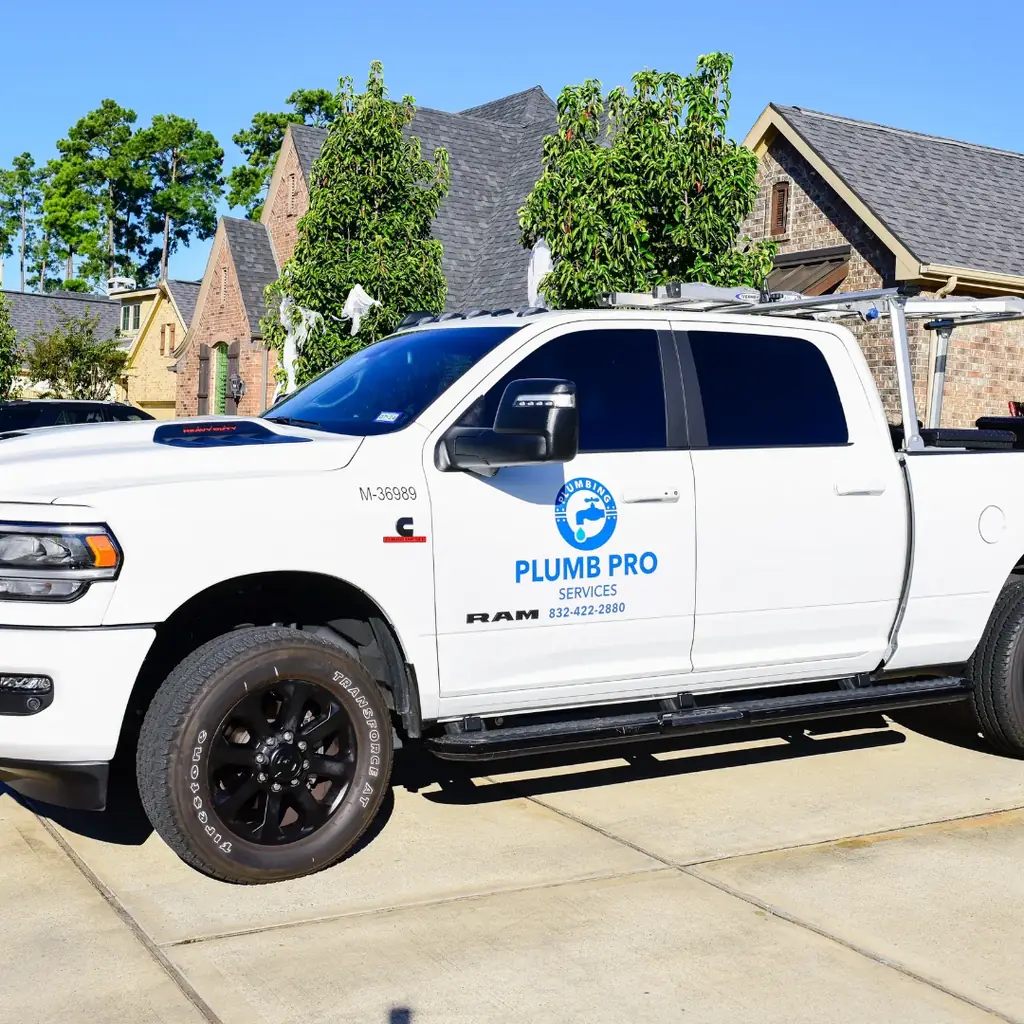
A plumbing emergency doesn't wait for a convenient time, and what you do in the first few minutes usually matters more to the outcome than how quickly anyone can get to you. Here's what to do, in order, before help arrives.
Shut off the water
The very first move in almost any plumbing emergency, a burst pipe, a supply line that's let go, a water heater leaking heavily, is to shut off the main water valve. Knowing where that valve is before an emergency happens is worth five minutes of your time right now. It's typically near where the main line enters the house, in a basement, crawlspace, garage, or utility closet. Shutting it off stops the flooding from getting worse while you sort out everything else.
If the emergency is isolated to one fixture, like a toilet or a washing machine supply line, and you know where that fixture's own shut-off valve is, using that one instead can save you from cutting water to the whole house.
Watch for water near electricity
If water is rising near an electrical outlet, breaker panel, or any powered appliance, and you can reach your home's main electrical panel safely without stepping into water, shutting that off too is worth doing before anything else. If you can't reach it without walking through standing water, leave it and get everyone clear of the area instead. Never touch an electrical panel or outlet with wet hands or while standing in water.
If you suspect a gas leak
This is the one situation where water isn't the first concern. If you smell gas, a rotten-egg or sulfur smell, or hear a hissing sound near a gas appliance or line, get everyone out of the house, don't operate any light switches or anything electrical on your way out, and open windows if you can do so safely on your way. Call your gas utility's emergency line and us from outside the house, not from inside it.
Don't try to locate the leak yourself, and don't go back inside to grab anything once you're out. Gas leaks are one of the few plumbing-related situations where the right move is genuinely to leave it to the professionals and the utility company from the start.
A clogged, overflowing toilet
Stop flushing immediately. Every flush adds more water and makes the overflow worse. If there's a shut-off valve behind or beside the toilet, close it. A plunger can clear a simple clog, but skip the chemical drain cleaners, since they can damage pipes and won't help a toilet that's already overflowing.
If the water is already at the rim and about to overflow, sometimes the fastest thing you can do is lift the lid off the tank and push the flapper down to stop water from entering the bowl, buying you a few seconds to reach the shut-off valve.
A frozen or burst pipe
If a pipe has frozen and you catch it before it bursts, shutting off the water to that section and opening a nearby faucet slightly to relieve pressure as it thaws can help prevent a break. If a pipe has already burst, the priority is the same as any other burst pipe: shut off the main and call for help.
What to document for insurance
Once the immediate danger is under control, water is shut off or a gas leak has been reported, take a few minutes to document what's happened if it looks like there's real damage.
- Photograph the source of the leak or burst before you clean anything up
- Photograph any standing water, water damage to floors, walls, or ceilings, and affected belongings
- Note the time you first noticed the problem and the time you shut off the water
- Keep any receipts for emergency measures you take, like a wet vac rental or a hotel room if the home isn't livable
Insurance claims move faster and more smoothly when there's a clear record from before anything got cleaned up or repaired.
Every emergency is different, but the pattern is the same: control the immediate danger, whether that's water or gas, document what you can once it's safe to, and get a professional out to fix the actual cause rather than a temporary patch.
When to call us, day or night
Some things can wait until morning. A slow drain, a dripping faucet, a running toilet, none of those are true emergencies. But a burst pipe, an overflowing fixture that won't stop, a suspected gas leak, or a water heater actively leaking are all reasons to call right away rather than waiting.
We're open 24 hours Monday through Saturday, and we offer 24/7 emergency plumbing service across Spring, TX and the greater Houston area, so you're not stuck waiting until regular hours if something goes wrong at 2am on a Tuesday. Call us at (832) 220-5104.
Plumb Pro Services, (832) 220-5104
Call (832) 220-5104